


The Risks of Unmanaged Myopia: Why Early Treatment Matters
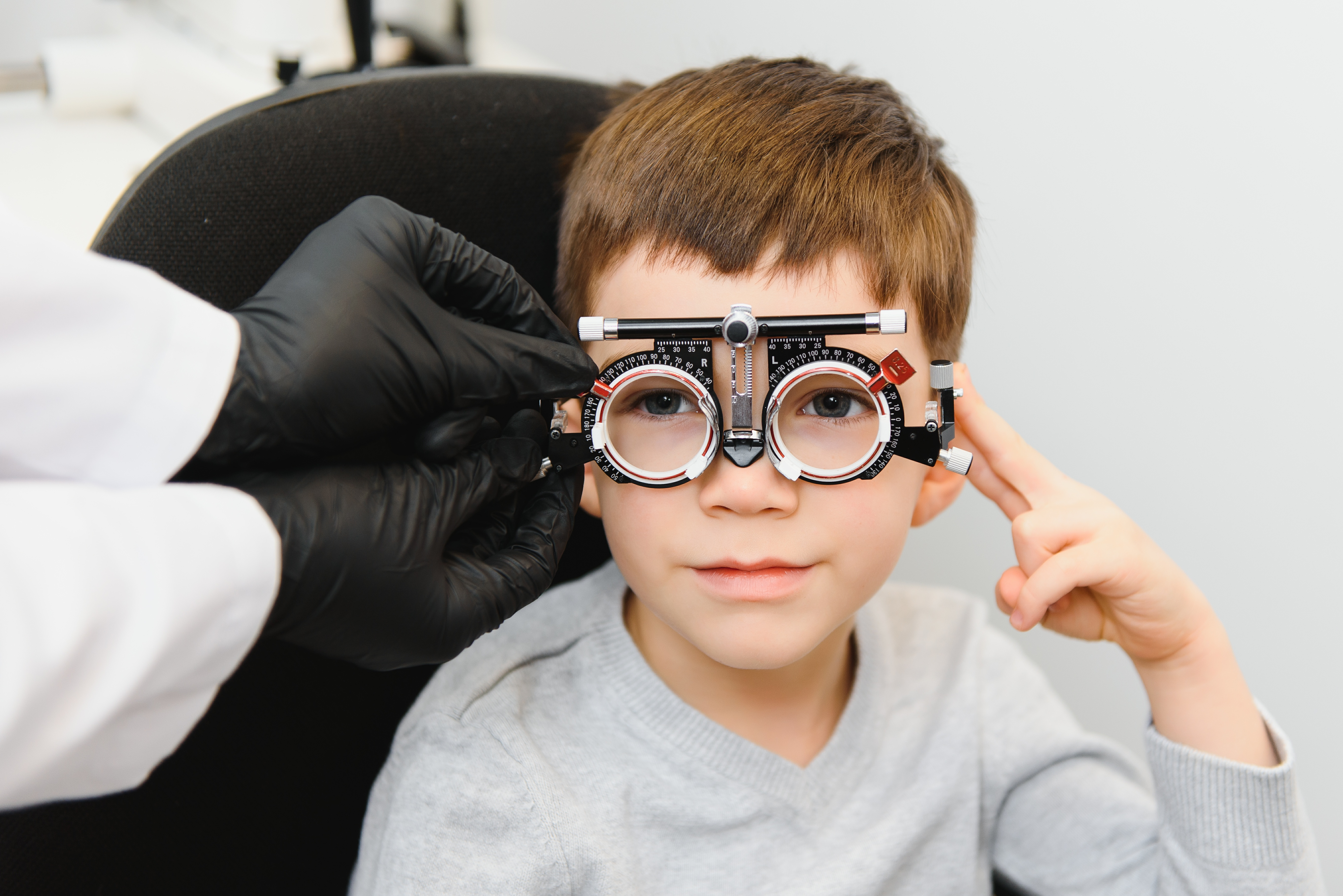
Myopia is a common vision condition that often begins in childhood and can worsen as a child grows. While glasses or contact lenses can correct blurry distance vision, unmanaged myopia may continue to progress and increase the risk of more serious eye conditions later in life. Early diagnosis and treatment can play an important role in protecting both clear vision and long-term eye health.
Myopia Often Progresses During Childhood
During childhood, the eyes are still growing, which means myopia can progress fairly quickly during the school years. A child with mild nearsightedness may need stronger prescriptions over time if the condition continues to worsen.
Although glasses and standard contact lenses can correct blurry distance vision, they do not usually slow the underlying eye growth associated with myopia progression. Early treatment plays an important role in helping manage long-term changes.
The Long-Term Risks of Unmanaged Myopia
Myopia is more than a need for stronger glasses. As it progresses, the risk of future complications may also rise. Higher levels of myopia have been associated with retinal problems, glaucoma, cataracts, and myopic macular degeneration.
The goal of early treatment is not only to improve a child’s day-to-day vision, but also to reduce the likelihood of high myopia and the eye health concerns that can come with it.
Signs Your Child May Need a Myopia Evaluation
Children do not always recognize or report changes in their vision, especially when those changes happen gradually. Signs that may suggest developing or worsening myopia include:
- Squinting to see distant objects
- Sitting very close to screens or the television
- Complaints of headaches or eye strain
- Difficulty seeing the board at school
- Frequent prescription changes
A pediatric eye exam can determine whether myopia is present and whether treatment should begin.
Early Treatment Can Help Slow Progression
Early myopia management can do more than correct vision - it can help slow progression over time. This may lower the chances of a child developing higher levels of myopia as they get older.
Treatment should be personalized for each child based on factors such as age, prescription, overall eye health, and daily routine. Myopia management options may include CRT lenses, MiSight 1 day contact lenses, Essilor Stellest lenses, or low-dose atropine eye drops. Since each option works differently, the most appropriate recommendation depends on the child’s rate of progression and individual visual needs.
Schedule Your Child’s Eye Exam at Saini Eyecare Today
Because unmanaged myopia can have lasting effects, ongoing monitoring and individualized care are essential. A personalized treatment plan allows our doctors to track changes carefully and adjust management as needed. With the right approach, children can maintain clearer vision now while also protecting their eye health for the future.
Schedule a pediatric eye exam at Saini Eyecare to learn more about myopia management options. Visit our office in Florence, Kentucky, or call (859) 525-2536 to book an appointment today.



Crestview Hills Location
2819 Dixie Hwy
Crestview Hills, KY 41017
(Next to LensCrafters)
Phone:
(859) 331-3124
(859) 331-3124
Hours Of Operation
- Monday 9:00 AM - 7:00 PM
- Tuesday 9:00 AM - 7:00 PM
- Wednesday 9:00 AM - 7:00 PM
- Thursday 9:00 AM - 7:00 PM
- Friday 8:00 AM - 6:00 PM
- Saturday 10:00 AM - 4:00 PM
- Sunday CLOSED
Florence Location
7841 Mall Rd Suite 100
Florence, KY 41042
Phone:
(859) 525-2536
(859) 525-2536
Hours Of Operation
- Monday 9:00 AM - 5:00 PM
- Tuesday 9:00 AM - 5:00 PM
- Wednesday 9:00 AM - 5:00 PM
- Thursday 9:00 AM - 5:00 PM
- Friday 9:00 AM - 5:00 PM
- Saturday 9:00 AM - 4:00 PM
- Sunday CLOSED
© 2026 Saini Eyecare. All rights Reserved. Accessibility Statement - Privacy Policy - Sitemap
Powered by:

