


Why Diabetic Eye Exams Are Essential - Even If Your Vision Seems Fine
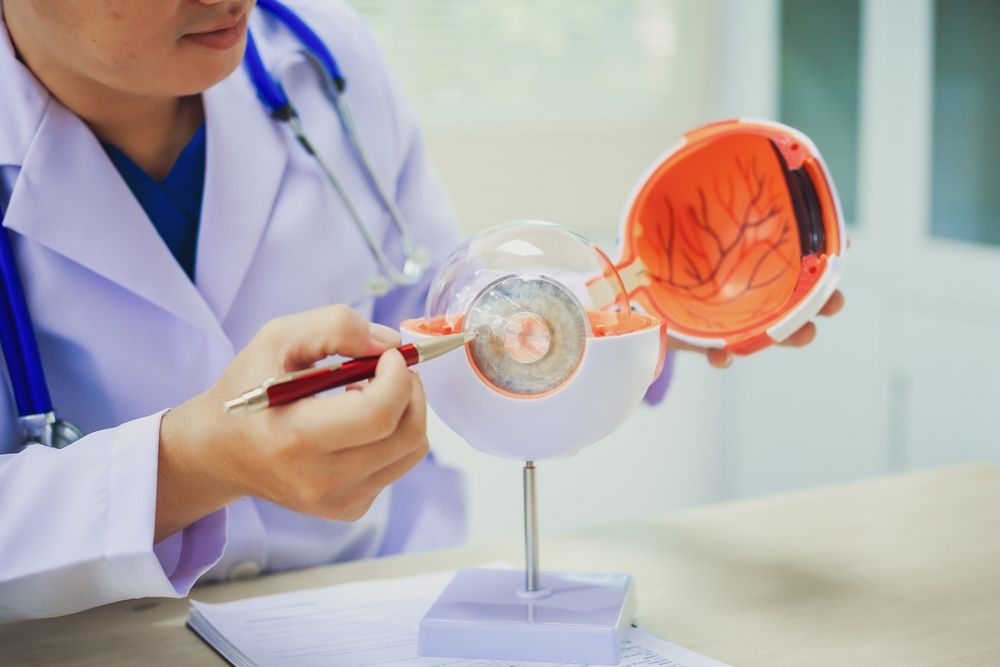
If you have diabetes and your vision feels perfectly normal, it’s easy to assume your eyes are healthy. However, diabetes can cause serious changes inside the eye long before any symptoms appear. Many diabetes-related eye conditions develop silently, making regular diabetic eye exams essential for protecting your vision.
How Diabetes Affects Your Eye Health
Diabetes impacts the body’s ability to manage blood sugar, and over time, elevated glucose levels can damage blood vessels throughout the body - including those in the eyes. The retina, which is responsible for converting light into visual signals for the brain, is especially vulnerable.
What makes diabetic eye disease particularly concerning is that it often develops without noticeable symptoms in its early stages. Vision may remain clear while damage is already occurring beneath the surface.
Diabetic Retinopathy
This is the most common diabetic eye disease and occurs when high blood sugar damages the small blood vessels in the retina. These vessels may leak, swell, or close off entirely, impairing retinal function. In advanced stages, abnormal new blood vessels can form, significantly increasing the risk of vision loss.
Diabetic Macular Edema (DME)
DME is a complication of diabetic retinopathy that causes swelling in the macula—the part of the retina responsible for sharp, central vision. This can lead to blurred or distorted vision if left untreated.
Cataracts
While cataracts are common with aging, people with diabetes are more likely to develop them earlier. Cataracts cause clouding of the eye’s natural lens, leading to reduced clarity and contrast.
Glaucoma
Diabetes doubles the risk of glaucoma, a condition that damages the optic nerve and can result in permanent vision loss if not detected early.
Why Regular Diabetic Eye Exams Are Essential
Diabetic eye exams go far beyond checking how well you can see letters on a chart. These comprehensive exams are designed to detect changes deep inside the eye - often before symptoms appear.
Routine diabetic eye exams help to:
• Identify early retinal changes that may not yet affect vision
• Track progression over time, allowing your doctor to compare images year over year
• Reduce the risk of severe vision loss through early intervention and timely treatment
Early detection allows for better outcomes, more treatment options, and greater preservation of long-term vision.
Advanced Diagnostic Technology at Saini Eyecare
At Saini Eyecare, we use advanced diagnostic tools to provide a detailed and accurate assessment of your eye health.
• Optical Coherence Tomography (OCT): OCT creates high-resolution cross-sectional images of the retina, allowing us to detect subtle swelling or structural changes associated with diabetic eye disease.
• Optomap Retinal Imaging: Optomap technology captures an ultra-widefield image of the retina, giving us a comprehensive view of areas that traditional exams may miss. This is especially valuable for monitoring diabetic changes in the peripheral retina.
Together, these technologies allow for earlier detection, precise monitoring, and more informed treatment decisions.
Schedule Your Diabetic Eye Exam Today
Diabetes can quietly affect your eyes long before you notice any vision problems. Routine diabetic eye exams are one of the most effective ways to protect your sight, identify early retinal changes, track progression over time, and reduce the risk of severe vision loss. With advanced diagnostic technology and a proactive approach to care, our eye doctors are committed to helping patients with diabetes maintain healthy vision for years to come.
If you have diabetes, schedule your diabetic eye exam at Saini Eyecare to help protect your vision and support your long-term eye health. Visit our office in Crestview Hills or Florence, Kentucky, call (859) 331-3124 or (859) 525-2536 to book an appointment today



Crestview Hills Location
2819 Dixie Hwy
Crestview Hills, KY 41017
(Next to LensCrafters)
Phone:
(859) 331-3124
(859) 331-3124
Hours Of Operation
- Monday 9:00 AM - 7:00 PM
- Tuesday 9:00 AM - 7:00 PM
- Wednesday 9:00 AM - 7:00 PM
- Thursday 9:00 AM - 7:00 PM
- Friday 8:00 AM - 6:00 PM
- Saturday 10:00 AM - 4:00 PM
- Sunday CLOSED
Florence Location
7841 Mall Rd Suite 100
Florence, KY 41042
Phone:
(859) 525-2536
(859) 525-2536
Hours Of Operation
- Monday 9:00 AM - 5:00 PM
- Tuesday 9:00 AM - 5:00 PM
- Wednesday 9:00 AM - 5:00 PM
- Thursday 9:00 AM - 5:00 PM
- Friday 9:00 AM - 5:00 PM
- Saturday 9:00 AM - 4:00 PM
- Sunday CLOSED
© 2026 Saini Eyecare. All rights Reserved. Accessibility Statement - Privacy Policy - Sitemap
Powered by:

